

Installing a new HVAC system is one of the biggest investments homeowners make for comfort, energy efficiency, and indoor air quality. Whether you are replacing an outdated unit or installing a complete heating and cooling system in a new home, understanding the real HVAC installation cost can help you budget more effectively and avoid unnecessary expenses.
In 2026, prices for HVAC systems continue to fluctuate due to rising material costs, labor shortages, energy-efficiency regulations, and smart technology integration. Homeowners today are also focusing more on long-term savings rather than just upfront pricing. As a result, many people are comparing high-efficiency systems, variable-speed technology, and ductless options before making a final decision.
The total HVAC installation cost depends on several factors, including the size of the home, type of HVAC system, local labor rates, ductwork condition, and energy-efficiency rating. While some homeowners may spend a few thousand dollars on a simple replacement, others can easily invest over $15,000 for premium whole-home systems with advanced climate control features.
What Is the Average HVAC Installation Cost in 2026?
The average HVAC installation cost in 2026 ranges between $6,500 and $14,500 for most residential homes in the United States. Smaller homes with basic central air systems may fall on the lower end of the range, while larger homes requiring premium equipment, zoning systems, or extensive ductwork can exceed $20,000.
Modern HVAC pricing is no longer based only on the equipment itself. Contractors now factor in energy-efficiency compliance, smart thermostat compatibility, refrigerant updates, airflow optimization, and labor complexity. In many cases, labor can account for 30% to 50% of the total installation expense.
Homeowners replacing both the furnace and air conditioner together often receive better long-term value because the components are designed to work efficiently as a matched system. Although the upfront price may seem higher initially, combined systems usually deliver lower utility bills and fewer repair issues over time.
HVAC Installation Cost by System Type
Different HVAC systems come with very different price ranges. Choosing the right one depends on climate, home layout, energy goals, and long-term maintenance expectations.
| HVAC System Type | Average Installation Cost | Best For |
|---|---|---|
| Central Air Conditioner | $4,500 – $8,500 | Homes with existing ductwork |
| Furnace + AC Combo | $7,000 – $14,500 | Full heating and cooling |
| Heat Pump System | $6,500 – $15,000 | Energy-efficient climates |
| Ductless Mini-Split | $3,000 – $12,000 | Smaller homes or additions |
| Geothermal HVAC | $18,000 – $35,000 | Maximum efficiency |
| Packaged HVAC Unit | $8,000 – $13,000 | Compact property layouts |
Central HVAC systems remain the most common option for American homes because they provide whole-house comfort and consistent airflow. However, heat pumps are rapidly growing in popularity because of government efficiency incentives and lower energy consumption.
Ductless mini-split systems are also becoming a preferred choice for homeowners renovating older homes without existing ductwork. Although the upfront price per zone may appear high, these systems offer flexible temperature control and impressive energy savings.
Factors That Affect HVAC Installation Pricing
Several important variables determine the final HVAC installation cost. Two homes with similar square footage can still have completely different installation estimates depending on their infrastructure and energy needs.
Home Size and HVAC Capacity
The size of your home directly affects the size of the HVAC unit required. Larger homes need systems with higher cooling and heating capacity, usually measured in tons for air conditioning and BTUs for furnaces.
Installing an oversized system may seem beneficial, but it can actually reduce efficiency and shorten equipment lifespan. An undersized unit, on the other hand, struggles to maintain indoor comfort and increases energy consumption. Professional contractors perform load calculations to determine the correct system size based on insulation, windows, ceiling height, and climate conditions.
Ductwork Condition
Existing ductwork can significantly impact installation pricing. If ducts are damaged, leaking, undersized, or poorly insulated, replacement or repairs may be necessary before installing the new system.
In older homes, duct upgrades can add several thousand dollars to the project. However, efficient ductwork improves airflow, reduces energy waste, and helps the HVAC system operate properly for years.
Energy Efficiency Ratings
Higher-efficiency HVAC systems cost more upfront but save money over time through lower monthly utility bills. Systems with higher SEER2 ratings for air conditioners and AFUE ratings for furnaces generally qualify for rebates or tax incentives in many regions.
Many homeowners today prefer investing in variable-speed compressors and smart climate systems because they provide quieter operation, better humidity control, and lower operating costs.
Labor and Regional Pricing
Labor rates vary widely depending on location and contractor demand. Urban areas and regions with extreme climates usually have higher installation costs because of increased demand and stricter building requirements.
Experienced licensed contractors may charge more, but professional installation reduces the risk of future breakdowns, airflow issues, and warranty problems.
Cost of Replacing vs Installing a New HVAC System
Replacing an existing HVAC system is usually less expensive than installing a completely new system in a newly built property. Homes with existing ducts, electrical connections, and ventilation infrastructure require less labor and fewer modifications.
A full replacement project typically includes removing old equipment, installing the new unit, updating refrigerant lines, and testing airflow performance. However, new construction installations often require complete duct design, ventilation planning, and electrical setup, which increases total project costs.
Homeowners should also understand that replacing only one component, such as the air conditioner without the furnace, may create efficiency compatibility issues. Contractors often recommend replacing both systems together if they are near the end of their lifespan.
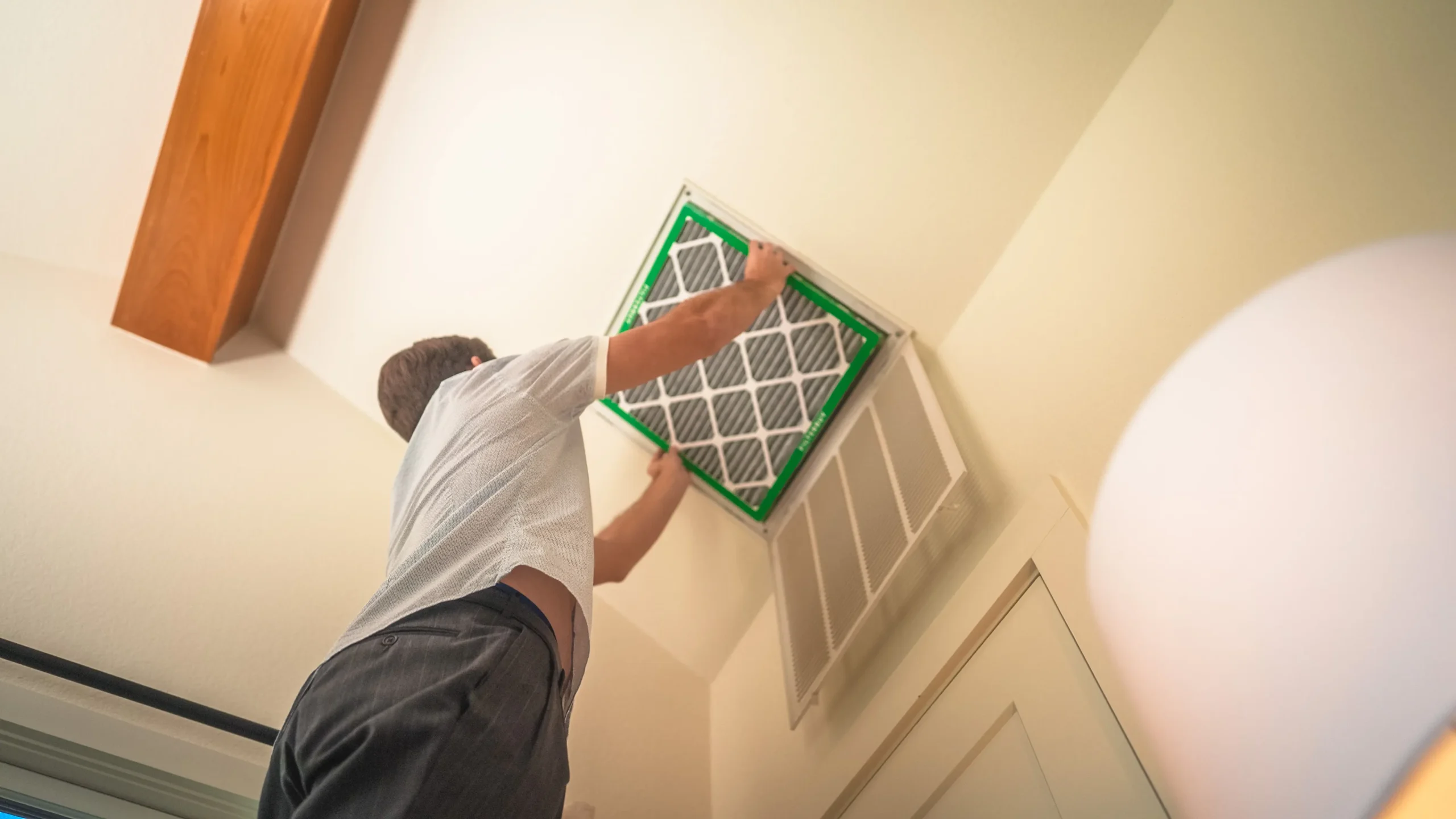
Hidden Costs Homeowners Often Overlook
Many people focus only on the advertised equipment price and forget about additional expenses associated with HVAC projects. These hidden costs can significantly increase the final bill if not discussed beforehand.
Some common additional expenses include:
- Permit and inspection fees
- Thermostat upgrades
- Electrical panel modifications
- Duct sealing or insulation
- Old system disposal charges
Another overlooked factor is indoor air quality upgrades. Many homeowners now add air purifiers, humidifiers, UV filtration systems, or advanced ventilation systems during installation. While optional, these additions improve comfort and help reduce allergens and airborne pollutants.
How Energy Efficiency Impacts Long-Term Savings
Although a high-efficiency system increases the initial HVAC installation cost, it can dramatically reduce long-term operating expenses. Modern ENERGY STAR-certified systems consume less electricity while maintaining more stable indoor temperatures.
Variable-speed HVAC systems are particularly effective because they adjust output gradually rather than turning fully on and off repeatedly. This improves comfort, reduces wear on components, and lowers monthly utility costs.
In regions with high summer temperatures or long heating seasons, homeowners often recover the additional investment within several years through energy savings alone. Smart thermostats also contribute by automatically adjusting temperatures based on occupancy and usage patterns.
Should You Choose a Heat Pump in 2026?
Heat pumps are becoming one of the most discussed HVAC solutions in 2026 because of their energy efficiency and environmental benefits. Unlike traditional systems that generate heat, heat pumps transfer heat between indoor and outdoor environments.
These systems work especially well in moderate climates and can both heat and cool the home efficiently. Government incentives and utility rebates are encouraging many homeowners to switch from gas furnaces to electric heat pump systems.
However, extremely cold regions may still require supplemental heating during harsh winters. In these cases, dual-fuel systems combining a heat pump and furnace provide balanced performance and energy efficiency.
Signs You Need a New HVAC System
Many homeowners delay replacement until the system completely fails, but several warning signs indicate it may be time for an upgrade before emergency breakdowns occur.
Common indicators include:
- Rising monthly energy bills
- Uneven heating or cooling
- Frequent repair visits
- Loud operational noises
- HVAC system older than 15 years
Older systems using outdated refrigerants may also become increasingly expensive to repair because replacement parts and refrigerants are harder to obtain.
Ways to Reduce HVAC Installation Cost
Reducing HVAC expenses does not necessarily mean choosing the cheapest system available. Instead, homeowners should focus on maximizing long-term value and energy efficiency.
One effective strategy is scheduling installation during off-season periods such as spring or fall when contractor demand is lower. Many HVAC companies offer seasonal discounts during these slower months.
Homeowners can also save money by comparing multiple contractor estimates and asking about manufacturer rebates, utility incentives, or financing programs. In some states, energy-efficient installations qualify for tax credits that significantly reduce overall project costs.
Another smart approach involves improving home insulation before upgrading HVAC equipment. Better insulation reduces heating and cooling demands, allowing smaller and more affordable systems to perform effectively.
Importance of Hiring a Qualified HVAC Contractor
Even the best HVAC equipment performs poorly if installed incorrectly. Improper installation can reduce efficiency, shorten system lifespan, and void manufacturer warranties.
A reputable HVAC contractor performs accurate load calculations, checks airflow design, evaluates duct performance, and ensures compliance with local building codes. Professional installation also includes system testing, refrigerant calibration, and thermostat setup.
Homeowners should verify licensing, insurance coverage, certifications, and customer reviews before hiring a contractor. Asking detailed questions about warranties, maintenance plans, and estimated operating costs can also help avoid future problems.
Future HVAC Trends Affecting Installation Costs
The HVAC industry continues evolving rapidly with new technologies focused on sustainability, automation, and energy efficiency. Smart HVAC systems with Wi-Fi integration, AI-based climate control, and predictive maintenance features are becoming increasingly common.
Environmental regulations are also influencing system design and refrigerant choices. Many manufacturers are transitioning toward eco-friendly refrigerants with lower environmental impact, which may affect equipment pricing over the next few years.
Additionally, labor shortages in skilled trades continue increasing installation costs in many regions. As demand for efficient HVAC systems grows, homeowners may experience longer wait times during peak seasons.

FAQs
How much does HVAC installation cost for a 2,000-square-foot home?
For a typical 2,000-square-foot home, the HVAC installation cost usually ranges between $7,500 and $13,000 depending on system type, efficiency rating, and ductwork condition. Homes requiring duct replacement or premium systems may cost more.
Is it cheaper to replace only the air conditioner?
Replacing only the air conditioner can reduce upfront expenses, but it may lower overall system efficiency if the furnace or air handler is old. Matched systems generally provide better performance and energy savings.
How long does HVAC installation take?
Most residential HVAC installations take one to three days. Projects involving new ductwork, electrical upgrades, or zoning systems may require additional time.
Are high-efficiency HVAC systems worth the extra money?
High-efficiency systems usually provide lower monthly utility bills, quieter performance, and better indoor comfort. Although the initial HVAC installation cost is higher, long-term savings often offset the added investment.
Can I finance a new HVAC system?
Many HVAC companies offer financing plans with monthly payment options. Some utility providers and manufacturers also provide rebates or promotional financing for energy-efficient systems.
What is the most expensive part of HVAC installation?
The equipment itself is typically the largest expense, but labor and ductwork modifications can also contribute significantly to total project pricing.
Conclusion
Understanding the true HVAC installation cost in 2026 requires looking beyond basic equipment pricing. Factors such as home size, energy efficiency, ductwork condition, labor rates, and system type all influence the final investment. While upfront costs can seem high, a properly installed HVAC system improves comfort, lowers energy consumption, and increases home value over time.
Read More:-Commercial HVAC Installation: Smart Solutions for Modern Buildings