

What are commercial hvac installation services?
Commercial hvac installation services involve designing, installing, and configuring heating, ventilation, and air conditioning systems for offices, warehouses, retail stores, and industrial buildings.
Best commercial hvac installation options for businesses
The best commercial hvac installation depends on building size, energy goals, occupancy, and climate conditions.
How to choose commercial hvac installation contractors
Choose contractors with proper certifications, experience in commercial projects, positive client reviews, and transparent pricing.
Introduction
A poorly designed HVAC system can quietly drain thousands of dollars from a business every year. Rising energy bills, uneven temperatures, poor indoor air quality, and unexpected breakdowns often start with one major issue — improper system installation. For commercial properties, HVAC is not just about comfort; it directly impacts productivity, customer experience, and operating costs.
Today’s businesses rely heavily on advanced climate control systems to maintain healthy indoor environments. Whether it is an office building, hospital, restaurant, shopping center, or manufacturing facility, a reliable HVAC setup ensures stable airflow, proper ventilation, and energy-efficient performance throughout the year. As energy regulations become stricter and utility costs continue to rise, companies are investing in smarter HVAC technologies that reduce long-term expenses while improving performance.
Modern HVAC systems are now equipped with smart thermostats, zoning capabilities, advanced air filtration, and automated energy management features. A professionally planned installation helps businesses maximize system lifespan, improve indoor comfort, and reduce maintenance problems. Choosing the right system from the beginning can significantly influence operational efficiency for years to come.
Quick Summary
- Commercial HVAC systems improve comfort, ventilation, and energy efficiency in business properties.
- Proper installation reduces maintenance costs and lowers long-term energy consumption.
- System selection depends on building size, occupancy, and climate conditions.
- Smart HVAC technologies help businesses optimize indoor air quality and performance.
Understanding Commercial HVAC Installation
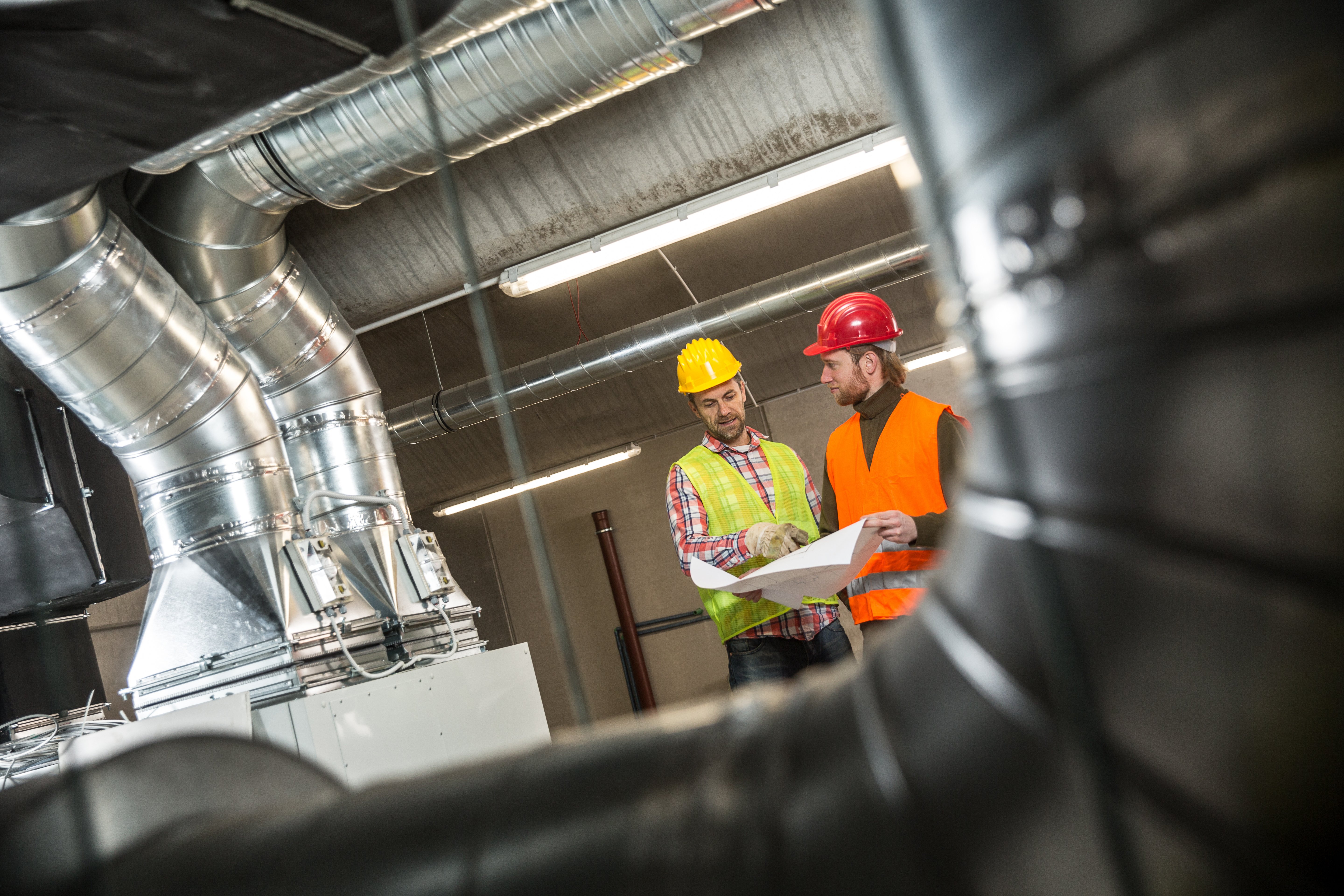
The process of commercial hvac installation involves much more than simply placing heating and cooling equipment inside a building. It begins with load calculations, airflow analysis, ductwork planning, insulation assessment, and energy efficiency evaluation. Every commercial property has unique requirements depending on the number of occupants, operating hours, and building layout.
Commercial HVAC systems are generally larger and more complex than residential systems. They often include rooftop units, split systems, chillers, boilers, air handlers, and ventilation controls designed to manage larger spaces efficiently. In modern buildings, HVAC systems also integrate with automation technologies to regulate indoor temperatures based on occupancy and weather conditions.
Professional installation is essential because incorrect sizing or poor airflow design can lead to excessive energy consumption, uneven cooling, humidity issues, and premature equipment failure. Businesses that invest in proper planning usually experience fewer disruptions and lower operational expenses over time.
Types of Commercial HVAC Systems
Rooftop HVAC Units
Rooftop units are among the most common choices for commercial buildings. They are installed on the roof to save interior space and provide centralized climate control. These systems are widely used in retail stores, schools, and office buildings because they are relatively easy to maintain and replace.
Variable Refrigerant Flow (VRF) Systems
VRF systems are gaining popularity due to their energy efficiency and zoning flexibility. These systems allow different areas of a building to maintain separate temperatures simultaneously. Businesses with varying occupancy levels often prefer VRF technology for better climate customization and lower utility bills.
Chilled Water Systems
Large commercial facilities such as hospitals, hotels, and industrial plants often use chilled water systems. These systems circulate chilled water through air handlers to cool indoor spaces effectively. Although installation costs are higher, they provide exceptional cooling performance for large-scale operations.
Ductless Mini-Split Systems
Ductless systems are ideal for smaller commercial spaces or buildings with renovation limitations. They eliminate the need for extensive ductwork and offer excellent flexibility for temperature zoning.
Key Factors That Affect HVAC Installation Costs
Several factors influence the total cost of a commercial HVAC project. Understanding these elements helps businesses prepare realistic budgets and avoid unexpected expenses.
| Factor | Impact on Cost |
|---|---|
| Building Size | Larger spaces require higher-capacity equipment |
| Energy Efficiency Rating | High-efficiency systems cost more upfront |
| Ductwork Requirements | New duct installation increases labor costs |
| Building Layout | Complex layouts require customized airflow planning |
| Smart Controls | Automation systems add installation expenses |
| Local Regulations | Compliance requirements may increase project scope |
In many commercial projects, labor and customization account for a significant portion of the overall budget. Older buildings may also require electrical upgrades or structural modifications before installation begins.
Energy Efficiency and Sustainability Trends
Energy efficiency has become a major priority for businesses worldwide. According to industry estimates, HVAC systems account for nearly 40% of a commercial building’s energy usage. This has encouraged companies to adopt advanced systems that reduce electricity consumption while maintaining consistent indoor comfort.
Modern systems now include features such as variable-speed compressors, energy recovery ventilators, programmable thermostats, and occupancy sensors. These technologies improve temperature management and minimize energy waste during non-operational hours.
Many businesses are also pursuing green building certifications and sustainability goals. High-efficiency HVAC systems contribute to reduced carbon emissions and improved environmental performance. In some regions, energy-efficient upgrades may even qualify for tax incentives or rebates.
Benefits of Professional HVAC Installation
A professionally installed HVAC system provides more than just reliable cooling and heating. It creates a healthier and more productive indoor environment for employees and customers alike.
Proper installation improves airflow balance, reduces humidity problems, and enhances indoor air quality. Better ventilation can help minimize airborne pollutants, dust, and allergens in commercial spaces. Businesses that prioritize indoor comfort often experience higher employee satisfaction and better customer retention.
Another important advantage is long-term cost savings. Efficient systems consume less power, experience fewer breakdowns, and typically last longer when installed correctly. Preventive planning also reduces emergency repair expenses and operational downtime.
Real-Life Example of a Successful HVAC Upgrade
A mid-sized retail store in Texas struggled with uneven cooling and extremely high summer electricity bills. Customers frequently complained about uncomfortable temperatures, especially during peak afternoon hours. After a professional HVAC assessment, the business replaced its outdated rooftop units with a high-efficiency VRF system.
Within the first year, the company reported a 28% reduction in energy costs and improved indoor comfort throughout the building. Employees also noticed better air circulation and fewer maintenance disruptions. This example demonstrates how strategic HVAC upgrades can directly improve both customer experience and operational efficiency.
Pros and Cons of Modern Commercial HVAC Systems
Pros
- Improved energy efficiency
- Better indoor air quality
- Smart temperature automation
- Reduced long-term operating costs
- Enhanced occupant comfort
Cons
- Higher upfront installation costs
- Complex maintenance requirements
- Advanced systems may require trained technicians
- Retrofitting older buildings can be expensive
Common Mistakes Businesses Should Avoid
Many businesses make costly mistakes during HVAC planning and installation. These errors can reduce system efficiency and increase maintenance expenses over time.
- Choosing undersized or oversized equipment
- Ignoring proper ventilation requirements
- Hiring inexperienced contractors
- Skipping regular maintenance planning
- Focusing only on upfront costs instead of lifecycle value
Avoiding these mistakes helps businesses protect their investment and improve long-term HVAC performance.
Expert Tips for Better HVAC Performance
- Schedule professional maintenance twice a year
- Replace filters regularly for better airflow
- Use programmable thermostats to reduce energy waste
- Seal air leaks around windows and doors
- Invest in energy-efficient HVAC equipment
These small improvements can significantly enhance system efficiency and reduce utility expenses.
Who Should Use This System?
Businesses of all sizes can benefit from modern HVAC solutions, but they are especially important for facilities with high occupancy or temperature-sensitive operations. Office buildings, restaurants, healthcare centers, educational institutions, warehouses, hotels, and retail spaces all require dependable climate control systems to maintain comfort and productivity.
Commercial properties operating in extreme climates often experience even greater benefits from efficient HVAC systems. In regions with high summer temperatures or freezing winters, energy-efficient equipment helps businesses maintain stable indoor conditions while controlling utility costs.
Smart Technology in Commercial HVAC Systems
The HVAC industry has evolved rapidly with the integration of smart building technologies. Modern systems can now monitor airflow, humidity levels, occupancy patterns, and energy consumption in real time. Smart controls automatically adjust temperatures based on operational needs, helping businesses reduce unnecessary energy use.
Cloud-based monitoring platforms also allow facility managers to track system performance remotely. Predictive maintenance tools can detect minor issues before they become major failures, reducing downtime and repair costs.
Industry analysts estimate that smart HVAC adoption in commercial buildings will continue growing significantly over the next decade as businesses prioritize automation and sustainability.

FAQs
How often should commercial HVAC systems be serviced?
Commercial systems should typically be serviced at least twice a year to maintain efficiency and prevent unexpected breakdowns.
Is commercial hvac installation expensive?
Installation costs vary depending on building size, equipment type, and energy efficiency requirements. However, long-term savings often justify the investment.
What is the average lifespan of a commercial HVAC system?
Most systems last between 15 and 25 years with proper maintenance and professional servicing.
Do smart HVAC systems reduce energy bills?
Yes. Smart systems optimize temperature control, reduce wasted energy, and improve operational efficiency.
Can HVAC systems improve indoor air quality?
Modern systems with advanced filtration and ventilation features help reduce airborne contaminants and improve indoor comfort.
Summary Recap
A high-quality HVAC system is one of the most important investments for any commercial property. From improving employee comfort to reducing long-term energy costs, the right system can significantly impact business operations. Careful planning, professional installation, and energy-efficient technologies all contribute to better performance and lower maintenance expenses.
Conclusion
Choosing the right commercial hvac installation strategy is not just about heating and cooling a building — it is about creating an efficient, healthy, and productive environment for everyone inside. Businesses that invest in professional system design, smart technology, and ongoing maintenance often enjoy lower operating costs, better indoor comfort, and improved long-term reliability.
Read More:-HVAC Installation Guide: Costs, Process, and Modern Solutions