

Modern homes and commercial buildings depend heavily on reliable heating, ventilation, and air conditioning systems to maintain indoor comfort throughout the year. As climate conditions become more extreme and energy efficiency standards continue to evolve, homeowners are paying closer attention to choosing the right HVAC systems for their properties. A professional hvac installation not only improves indoor comfort but also reduces long-term energy costs and enhances overall property value.
In 2026, the HVAC industry is seeing major advancements in smart technology, eco-friendly refrigerants, and energy-efficient equipment. Consumers are increasingly looking for systems that combine performance with sustainability. Whether someone is building a new home or replacing an outdated unit, understanding the installation process is essential for making informed decisions.
A poorly installed system can lead to uneven cooling, higher utility bills, and frequent maintenance issues. On the other hand, a professionally planned hvac installation ensures optimal airflow, proper sizing, and maximum efficiency. This guide explains everything homeowners need to know, from system types and installation costs to energy-saving recommendations and maintenance considerations.
What Is HVAC Installation?
HVAC installation refers to the complete setup of a heating, ventilation, and air conditioning system inside a residential or commercial building. The process includes selecting the appropriate unit, installing ductwork if needed, connecting electrical systems, calibrating thermostats, and testing the equipment for performance and safety.
Modern HVAC systems are more advanced than older generations. Many now include smart thermostats, zoning controls, inverter technology, and air purification features. A professional hvac installation ensures all these components work together efficiently to provide balanced indoor temperatures and healthy air quality.
The installation process varies depending on the type of system chosen. For example, installing a central air conditioning system differs significantly from installing a ductless mini-split system. Factors such as home size, insulation quality, ceiling height, and regional climate also influence installation requirements.
Types of HVAC Systems Available in 2026
Central HVAC Systems
Central HVAC systems remain one of the most common choices for large homes and commercial properties. These systems use ductwork to distribute heated or cooled air evenly throughout the building. They are ideal for maintaining consistent temperatures across multiple rooms.
Modern central systems often feature variable-speed compressors and smart climate controls. Homeowners investing in hvac installation for central systems usually prioritize comfort, whole-home air circulation, and energy efficiency.
Ductless Mini-Split Systems
Ductless systems are becoming increasingly popular because of their flexibility and energy savings. These systems do not require extensive ductwork, making them suitable for apartments, home additions, and older houses.
Each indoor unit can be controlled independently, allowing customized temperature settings for different rooms. This zoning capability helps reduce unnecessary energy consumption while improving comfort levels.
Heat Pump Systems
Heat pumps are gaining strong demand in 2026 due to their eco-friendly operation. Instead of generating heat directly, they transfer heat between indoor and outdoor environments. This process consumes less energy compared to traditional furnaces.
Heat pumps can provide both heating and cooling, making them a practical all-in-one solution. Many homeowners choosing hvac installation today prefer heat pumps because of rising energy costs and environmental concerns.
Hybrid HVAC Systems
Hybrid systems combine a traditional furnace with an electric heat pump. These systems automatically switch between fuel sources based on outdoor temperatures and efficiency levels. They are particularly useful in regions with fluctuating seasonal climates.
Key Factors to Consider Before HVAC Installation
Choosing the right HVAC system involves more than simply selecting a brand or model. Several important factors influence system performance and long-term satisfaction.
Property Size and Layout
The size of the property plays a major role in determining the required HVAC capacity. Oversized systems cycle on and off too frequently, while undersized units struggle to maintain comfortable temperatures. Professional contractors perform load calculations to determine the ideal unit size.
Energy Efficiency Ratings
Energy efficiency standards are becoming stricter every year. Systems with higher SEER2 and ENERGY STAR ratings consume less electricity and reduce monthly utility bills. Investing in an efficient system during hvac installation often results in significant long-term savings.
Indoor Air Quality Needs
Modern HVAC systems can include advanced air purification technologies such as HEPA filtration, UV lights, and humidity control systems. These features improve indoor air quality and help reduce allergens, dust, and airborne pollutants.
Budget and Long-Term Costs
While upfront installation costs are important, homeowners should also evaluate long-term operating expenses. High-efficiency systems may cost more initially but often deliver lower energy bills and fewer repair issues over time.

HVAC Installation Process Explained
Understanding the installation process helps homeowners know what to expect and avoid unnecessary surprises.
| Installation Stage | Purpose | Typical Duration |
|---|---|---|
| Home Assessment | Evaluate home size and energy needs | 1–2 hours |
| System Selection | Choose suitable HVAC equipment | 1 day |
| Ductwork Inspection | Check airflow and duct condition | Several hours |
| Equipment Installation | Install indoor and outdoor units | 1–3 days |
| Electrical Connections | Connect power and safety systems | Few hours |
| System Testing | Verify airflow and temperature control | 1–2 hours |
Professional contractors typically begin by inspecting the property and analyzing insulation levels, windows, and airflow patterns. This assessment helps determine the ideal HVAC configuration.
After selecting the equipment, technicians remove old systems if necessary and prepare the installation area. Ductwork may need repairs or modifications to improve airflow efficiency. Once the new equipment is installed, electrical and refrigerant connections are completed carefully according to safety standards.
The final step of hvac installation involves system calibration and testing. Technicians verify thermostat communication, airflow balance, refrigerant pressure, and heating or cooling performance before completing the project.
Average HVAC Installation Costs in 2026
The cost of HVAC installation varies depending on system type, home size, location, and labor requirements. In 2026, rising material costs and new energy regulations are influencing overall pricing trends.
A basic ductless mini-split system for a small apartment may cost significantly less than a complete central HVAC setup for a large home. High-efficiency systems with smart controls and air purification features also increase overall project expenses.
Several factors can affect pricing:
- System size and cooling capacity
- Complexity of ductwork modifications
- Smart thermostat integration
- Energy efficiency ratings
- Local labor and permit costs
Although cheaper installations may appear attractive initially, cutting corners often leads to future problems. Professional hvac installation performed by certified technicians ensures better reliability, safety, and energy performance.
Smart HVAC Technology Trends
Technology is transforming the HVAC industry rapidly. Modern systems now integrate artificial intelligence, automation, and remote monitoring features to improve efficiency and convenience.
Smart thermostats learn household temperature preferences and adjust settings automatically based on occupancy patterns. Some systems even monitor weather conditions and optimize performance accordingly.
Homeowners can now control HVAC systems remotely through smartphone applications. This capability helps reduce unnecessary energy usage while maintaining comfort levels. Many new systems also send maintenance alerts when filters need replacement or performance issues are detected.
Another major trend in hvac installation is the adoption of environmentally safer refrigerants. Governments worldwide are encouraging the use of low-global-warming-potential refrigerants to reduce environmental impact.
Signs You Need a New HVAC System
Many homeowners delay replacing aging HVAC equipment until major breakdowns occur. However, several warning signs indicate it may be time for a new system.
- Frequent repairs and rising maintenance costs
- Uneven temperatures between rooms
- Unusually high electricity bills
- Strange noises or poor airflow
- Systems older than 12–15 years
Older systems often operate inefficiently and struggle to meet modern comfort expectations. Replacing outdated equipment with a modern hvac installation can significantly improve energy efficiency and indoor comfort.
Importance of Professional HVAC Installation
Professional installation directly impacts system lifespan and efficiency. Even premium HVAC equipment can underperform if installed incorrectly.
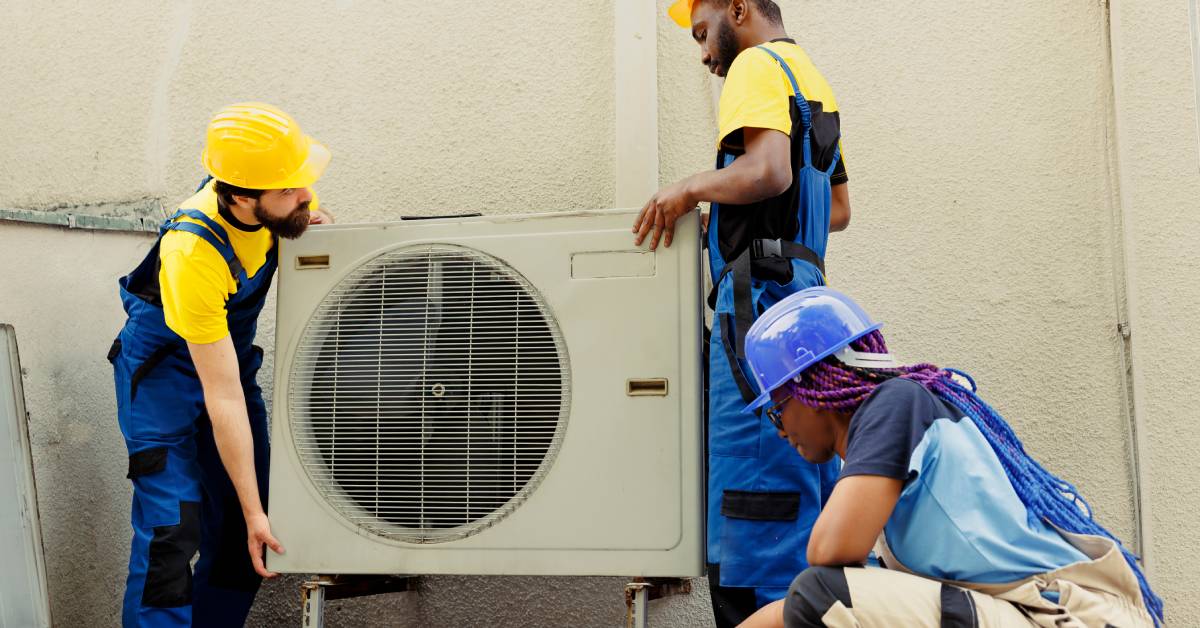
Certified HVAC technicians understand airflow balancing, refrigerant handling, electrical safety, and building code requirements. They also ensure proper ventilation and accurate thermostat calibration.
Improper installation may lead to refrigerant leaks, inadequate airflow, moisture issues, and compressor failure. These problems can shorten system life and increase utility expenses. Professional installers also provide warranties and post-installation support, giving homeowners added peace of mind.
Energy Efficiency and Sustainability
Energy efficiency has become one of the most important aspects of modern HVAC systems. Governments and environmental agencies are encouraging homeowners to adopt energy-saving technologies that reduce carbon emissions.
High-efficiency systems consume less electricity while delivering better temperature control. Features such as inverter compressors, zoning systems, and smart sensors help optimize performance based on actual usage patterns.
Solar-compatible HVAC systems are also growing in popularity. Some homeowners pair heat pumps with solar panels to reduce dependence on traditional energy sources. Sustainable hvac installation solutions are expected to dominate the market over the next decade as environmental awareness increases globally.
Common Mistakes to Avoid During HVAC Installation
One of the most common mistakes homeowners make is choosing equipment based solely on price rather than performance and compatibility. Cheap systems often result in higher long-term operating costs.
Another issue involves improper system sizing. Larger units are not always better. Oversized systems cool spaces too quickly without properly removing humidity, creating uncomfortable indoor conditions.
Ignoring ductwork condition is another frequent problem. Even the most advanced HVAC unit cannot perform efficiently if ducts leak air or restrict airflow. Proper planning and professional assessment are essential for successful hvac installation projects.
FAQs
How long does HVAC installation usually take?
Most residential HVAC installations take between one and three days depending on system complexity, ductwork modifications, and property size. Larger commercial projects may require additional time for testing and inspections.
What is the best season for HVAC installation?
Spring and fall are often considered the best times because HVAC companies are less busy during these periods. Scheduling installation during off-peak seasons may also reduce labor costs and improve appointment availability.
How often should HVAC systems be replaced?
Most HVAC systems last between 12 and 20 years depending on maintenance, usage, and installation quality. Systems experiencing frequent repairs or reduced efficiency may require earlier replacement.
Can HVAC installation increase home value?
Yes, modern HVAC systems can improve property value because buyers often prioritize energy efficiency, indoor comfort, and reduced maintenance expenses. Smart climate control features are especially attractive in today’s market.
Is ductless HVAC better than central air systems?
The answer depends on the property layout and homeowner preferences. Ductless systems offer zoning flexibility and easier installation, while central systems provide whole-home airflow and consistent temperature distribution.
Why is professional installation important?
Professional installation ensures proper sizing, electrical safety, airflow balancing, and refrigerant handling. Incorrect installation can reduce efficiency, increase repair costs, and shorten equipment lifespan.
Conclusion
The HVAC industry in 2026 continues to evolve with smarter technologies, stricter efficiency standards, and environmentally responsible solutions. Choosing the right system and ensuring professional hvac installation are essential steps toward achieving reliable indoor comfort and lower long-term energy expenses.
Read More:-HVAC Installation Service: Complete Guide for Modern Homes