

Introduction
Air travel has become an important part of modern life, connecting people with cities, countries, workplaces, family members, and holiday destinations. At the same time, planning a flight can involve many details, from choosing the right itinerary to understanding baggage conditions and preparing the necessary documents. For first-time travelers, these steps may seem complicated, while experienced passengers may still encounter problems when schedules, airport procedures, or travel requirements change. A clear and organized approach can make the entire process easier.
ttweakairline can be explored as a travel-related term for people looking for information connected with airline journeys and trip preparation. When using any online travel resource, travelers should understand that specific fares, schedules, baggage policies, and entry requirements can change. Therefore, general travel information is most useful when combined with current confirmation from the relevant airline, airport, and official travel authorities.
The purpose of this guide is to explain the major areas travelers should consider before and during a flight. From booking decisions and baggage preparation to airport arrival and handling unexpected changes, understanding the basics can help passengers travel with greater confidence.
Understanding Airline Travel Before You Book
A successful trip begins well before reaching the airport. Travelers should first establish where they want to go, when they need to travel, and how much flexibility they have with dates and times. Once these factors are clear, different flight options can be compared according to price, duration, departure time, arrival time, connections, and included services. Looking at the entire itinerary is important because the cheapest fare is not necessarily the most convenient or economical choice.
For example, a flight with a low advertised price may exclude checked baggage or involve a lengthy connection. Another option may cost slightly more but include useful services and provide a much better schedule. By considering the total travel experience instead of focusing only on the initial fare, passengers can make more informed decisions. This approach is particularly useful when exploring ttweakairline or other online travel information resources.
Choosing the Right Flight
Compare the Complete Journey
Flight selection should be based on individual requirements. A business traveler may prioritize a convenient arrival time, while a family might prefer fewer connections and more comfortable scheduling. A student or budget traveler may place greater emphasis on cost. Understanding these differences helps passengers identify the itinerary that best matches their circumstances.
Connection times deserve special attention. A very short connection can create stress if the first flight is delayed, while an extremely long layover can make the journey tiring. Travelers should also consider whether changing flights requires moving between terminals or completing additional security or immigration procedures.
Think Beyond the Ticket Price
The total cost of a flight can include more than the advertised fare. Depending on the booking, travelers may encounter charges associated with baggage, seat selection, meals, changes, or other optional services. These costs should be considered when comparing alternatives.
A useful way to think about flight value is to ask what the traveler actually needs. Someone traveling with only a small cabin bag may prefer a basic fare, while another passenger carrying substantial luggage may find a different fare structure more practical. ttweakairline can be part of the initial research process, but the exact conditions of a selected booking should always be checked before payment.
Understanding Booking Information
Once a flight is selected, travelers should carefully review the booking details. Passenger names, dates, destinations, flight numbers, departure times, and contact information should be checked for accuracy. Small mistakes can become inconvenient later, particularly when a passenger notices them close to departure.
Fare conditions are equally important. Some tickets may have restrictions on changes or cancellations, while others provide greater flexibility. Travelers whose plans may change should pay particular attention to these conditions before completing a purchase. Understanding the rules at the beginning is usually easier than trying to resolve a problem later.
Important Travel Preparation
Preparing for a journey involves more than purchasing a ticket. Travelers should organize their identification, travel documents, accommodation details, transportation arrangements, and emergency contacts. International passengers may need passports, visas, transit permissions, health-related documentation, or other requirements depending on their destination and circumstances.
Travel rules can change, so passengers should not rely solely on information from an older trip. Current requirements should be confirmed before departure, especially for international journeys. ttweakairline may help users organize general travel research, but time-sensitive documentation requirements should always be verified through appropriate official sources.
Baggage Planning Made Easier
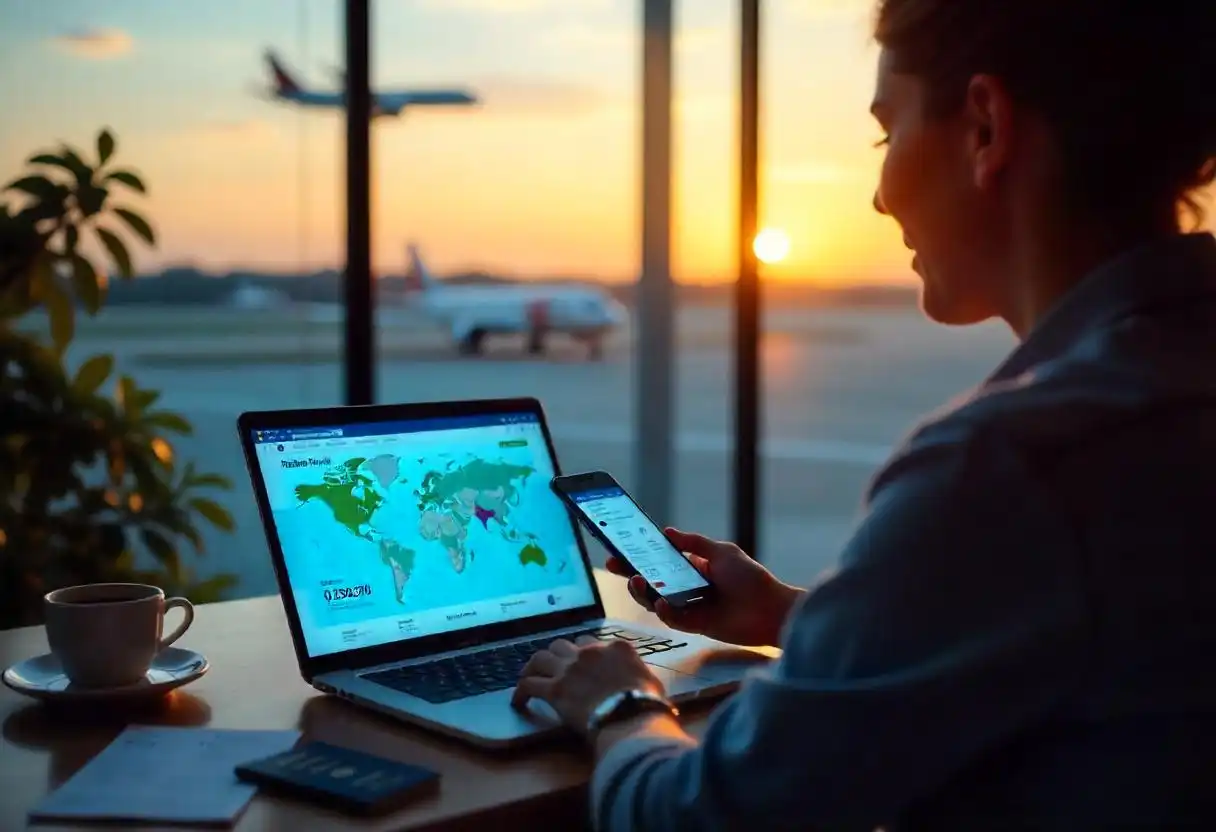
Baggage is one of the most important areas to understand before arriving at the airport. Airlines can apply different limits to carry-on and checked luggage, and these conditions can vary according to ticket type, route, cabin class, and other factors. Travelers should check the allowance attached specifically to their booking rather than assuming that another airline’s rules will apply.
Packing carefully can prevent several common problems. Weighing checked luggage before leaving home can help avoid unexpected excess-baggage charges. Important items such as identification, valuable belongings, essential electronics, and necessary personal items should be organized so that they remain accessible. Travelers should also review restrictions concerning liquids, batteries, sharp objects, and other regulated items.
| Travel Area | What to Consider | Why It Matters |
|---|---|---|
| Booking | Dates, times, passenger details | Prevents avoidable booking errors |
| Baggage | Weight, size, and included allowance | Helps control extra charges |
| Documents | Identification, passport, visa | Supports smoother travel |
| Airport | Terminal, check-in, security | Reduces last-minute stress |
| Connections | Layover and terminal changes | Helps manage transfer risks |
Preparing for the Airport
Airport preparation can make a major difference to the travel experience. Before leaving home, passengers should know which airport and terminal they need to reach and understand the applicable check-in arrangements. They should also allow enough time for transportation delays, queues, security procedures, and other unexpected situations.
Busy travel periods can result in longer queues, making early preparation especially useful. Travelers should monitor their flight status because departure times, gates, and other operational details can change. Keeping a charged phone and important booking information readily available can make it easier to respond when something changes.
Making Check-In Simple
Check-in is an important stage of the airport journey. Depending on the airline and itinerary, passengers may be able to complete check-in online before arriving. Others may need to use airport counters or kiosks. Understanding the available check-in process can save time and make the airport experience less stressful.
Passengers should also pay attention to boarding information after checking in. A boarding pass may contain the gate, boarding group, seat, or other useful details. Because gates can change, travelers should continue monitoring airport screens and official notifications rather than assuming the original gate will remain unchanged.
Understanding Connecting Flights
Connecting flights require additional attention because the traveler must successfully transfer from one aircraft to another. The connection time should be considered carefully, particularly at large airports where moving between terminals can take considerable time.
Travelers should also understand how baggage is handled during the connection. In some itineraries, bags may be transferred automatically, while other arrangements can require passengers to collect and re-check luggage. Immigration and security requirements may also vary. These details are worth checking before departure so that passengers know what to expect.
Traveling With Family or Children
Family travel often requires additional planning because children may have different needs from adults. Parents or guardians should organize documents, entertainment, food, clothing, and other necessities before leaving for the airport. Allowing extra time can be especially valuable when traveling with young children.
Families should also consider the timing of flights and connections. A schedule that looks efficient for one adult may be tiring for a family with small children. Choosing reasonable connection times and organizing essential items within easy reach can make the journey more comfortable.
Travel Technology and Digital Tools
Technology now plays a major role in the travel experience. Smartphones can store boarding passes, booking confirmations, maps, transportation information, and communication tools. Travelers can also receive notifications about schedule changes and other important updates through airline or airport applications.
However, passengers should avoid depending entirely on an internet connection. Important information can sometimes be saved offline, and keeping essential booking details accessible is a sensible backup. A charged phone and portable power source can also be useful during long travel days.
Staying Safe During Your Journey
Travel safety includes protecting personal belongings, keeping important documents secure, and being careful with sensitive information. Travelers should remain aware of their surroundings in airports, stations, hotels, and unfamiliar areas. Digital security also matters, especially when using public networks or shared devices.
Passengers should be cautious about unexpected messages asking for passwords, payment information, or personal details. They should also use official channels when checking important travel information. Good security habits can reduce the likelihood of avoidable problems during a trip.
Handling Delays and Schedule Changes
Even well-planned journeys can experience disruptions. Weather conditions, operational issues, airport congestion, or other circumstances can affect flight schedules. Travelers should therefore leave some flexibility in their plans whenever possible.
If a delay occurs, passengers should first check the latest official flight information and then review the options available under their booking conditions. Keeping reservation details accessible can make communication with the relevant airline or travel provider easier. ttweakairline can provide a useful starting point for general travel exploration, but real-time disruptions require current information.
Improving Comfort During Long Flights
Comfort becomes particularly important during long journeys. Travelers can prepare by wearing comfortable clothing, staying hydrated, and keeping useful items within reach. Reading material, entertainment, or downloaded content can also make a long flight feel easier.
Passengers should think about what they may need during the journey before their bags are stored away. Essential personal items should remain accessible where permitted. Small preparations can have a noticeable impact on comfort, particularly when traveling for many hours.
How Beginners Can Become Confident Travelers
First-time travelers may worry about making mistakes, but most airline journeys follow a predictable sequence. The passenger prepares documents, reaches the airport, checks in, completes security procedures, finds the departure gate, boards the aircraft, and follows the arrival process at the destination. Understanding this sequence can make the experience feel much less intimidating.
Using ttweakairline as part of general travel research can help beginners think about the different stages of an airline journey. The most valuable habit, however, is preparation. Reading booking information carefully, checking current requirements, and leaving sufficient time can prevent many common problems.
Useful Habits Before Departure
A few simple habits can improve almost any journey:
- Confirm the flight date and departure time before leaving home.
- Check baggage allowances against the actual booking.
- Keep identification and essential documents accessible.
- Monitor official flight updates on the day of travel.
These steps require little effort but can prevent unnecessary confusion. Travelers who develop them as a routine are generally better prepared for both ordinary journeys and unexpected changes.
Why Flexibility Matters in Modern Travel
Modern travel can involve changing schedules and evolving requirements. Flexible planning allows passengers to respond more easily when circumstances change. This might mean avoiding extremely short connections, leaving additional time between a flight and an important appointment, or selecting a fare that offers appropriate change conditions.
Flexibility does not mean spending more money unnecessarily. Instead, it means identifying where uncertainty exists and preparing accordingly. For travelers with fixed schedules, even a small amount of additional planning can reduce the consequences of unexpected delays.
Looking Ahead at the Future of Air Travel
The airline industry continues to become more digital. Online check-in, electronic documents, automated airport systems, mobile notifications, and digital travel management are becoming increasingly common. These developments can make journeys more convenient, but they also require travelers to become comfortable with digital tools.
At the same time, fundamental travel habits remain important. Passengers still need to understand bookings, prepare documents, follow airport procedures, and pay attention to safety. Future travel is likely to combine greater technological convenience with a continuing need for informed decision-making.
Frequently Asked Questions
What is ttweakairline?
ttweakairline is a travel-related term that can be explored in connection with airline journeys and travel planning. Because specific services, schedules, and policies can change, travelers should confirm current details before making important decisions.
What should I check before booking a flight?
Travelers should review the dates, departure and arrival times, route, connection details, total cost, baggage allowance, and fare conditions. Checking these details together provides a clearer picture of whether a flight is suitable.
How can I avoid baggage problems?
Check the baggage allowance attached to your specific booking and confirm the permitted size and weight. Weighing luggage before departure and keeping essential items accessible can also make airport procedures easier.
Should I arrive early at the airport?
Yes. Travelers should allow sufficient time for transportation, check-in, baggage procedures, security, and possible queues. The appropriate amount of time depends on the airport, flight, destination, and current travel conditions.
What should I do if my flight is delayed?
Check the latest official flight information and follow the instructions provided by the relevant airline or airport. Keep your booking details available and avoid making assumptions based on an earlier schedule.
Is online travel information enough for planning a trip?
Online travel information can be useful for research and preparation, but important details such as current flight schedules, entry requirements, baggage rules, and disruptions should be verified through authoritative current sources.
Conclusion
Understanding airline travel does not have to be complicated. By carefully comparing flights, reviewing booking conditions, preparing documents, checking baggage rules, arriving at the airport with enough time, and planning for possible changes, travelers can make their journeys more organized and comfortable.
ttweakairline can be considered as part of a broader travel-information approach for people who want to learn more about airline planning. However, travelers should always distinguish between general guidance and time-sensitive information. Current flight details, airline policies, airport procedures, and destination requirements should be confirmed before departure.
Ultimately, good travel preparation comes down to awareness and consistency. Whether a person is taking a first flight, planning a family holiday, or traveling internationally for work, understanding the basics creates greater confidence. With thoughtful planning and a willingness to verify important information, travelers can reduce avoidable problems and enjoy a smoother journey from departure to arrival.