

A reliable HVAC system is no longer considered a luxury in modern homes and commercial spaces. With rising temperatures, changing weather conditions, and increasing energy costs, property owners are investing in efficient heating, ventilation, and air conditioning systems that provide year-round comfort. Choosing the right hvac installation service plays a major role in ensuring long-term performance, lower utility bills, and healthier indoor air quality.
In today’s market, HVAC technology has become smarter and more energy-efficient than ever before. Modern systems include programmable thermostats, zoning capabilities, inverter technology, and air purification features that improve comfort while reducing energy consumption. However, even the best equipment can fail to deliver proper results if the installation is handled poorly. That is why professional installation remains one of the most important factors in HVAC system performance.
Whether you are replacing an outdated unit or installing a completely new system in a newly constructed property, understanding the installation process can help you make informed decisions. This guide explains everything you need to know about selecting an hvac installation service, system options, installation costs, maintenance expectations, and common mistakes to avoid.
What Is an HVAC Installation Service?
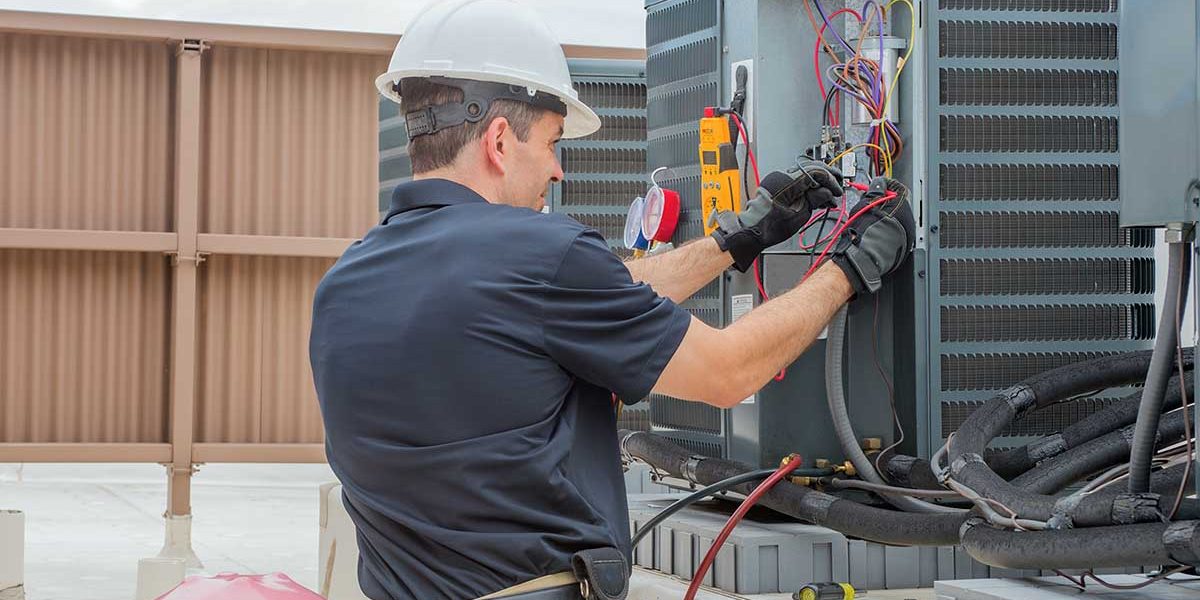
An hvac installation service involves the professional setup of heating, ventilation, and air conditioning equipment in residential or commercial buildings. The process includes evaluating the property, calculating heating and cooling loads, selecting the appropriate system size, installing ductwork if needed, connecting electrical components, and testing the system for efficiency and safety.
Modern HVAC systems are complex and require expert handling. Improper installation can lead to uneven cooling, high electricity bills, poor airflow, excessive humidity, and premature equipment failure. Professional technicians ensure the system is properly calibrated and complies with local building codes and safety standards.
In recent years, homeowners have increasingly focused on energy efficiency and indoor air quality. As a result, HVAC contractors now offer advanced solutions such as smart thermostats, variable-speed compressors, energy recovery ventilators, and air purification systems as part of comprehensive installation packages.
Why Professional HVAC Installation Matters
A professionally installed HVAC system performs better, lasts longer, and consumes less energy. Many homeowners focus only on the equipment brand while overlooking the importance of installation quality. In reality, even premium systems can underperform if installed incorrectly.
One of the biggest advantages of hiring a qualified hvac installation service is accurate system sizing. An oversized unit cycles on and off too frequently, causing unnecessary wear and uneven temperatures. On the other hand, an undersized system struggles to maintain comfort during extreme weather conditions. Experienced technicians perform load calculations to determine the correct unit size for the property.
Professional installation also improves indoor air circulation and humidity control. Poor airflow can create hot and cold spots throughout the building, while excess humidity may contribute to mold growth and discomfort. Proper duct design and equipment placement help maintain balanced airflow across all rooms.
Another major benefit is warranty protection. Most HVAC manufacturers require certified installation for warranty validity. DIY installations or unlicensed work may void equipment coverage and lead to expensive repair costs later.
Types of HVAC Systems Available
Choosing the right HVAC system depends on property size, climate conditions, energy goals, and budget. Today’s market offers several options designed for different residential and commercial needs.
Central Air Conditioning Systems
Central HVAC systems remain one of the most popular choices for larger homes and offices. These systems use ductwork to distribute conditioned air evenly throughout the building. They provide consistent temperature control and can be paired with furnaces or heat pumps for year-round performance.
Modern central systems are significantly more energy-efficient compared to older units installed a decade ago. Many now include smart thermostats and variable-speed motors that optimize cooling output based on real-time demand.
Ductless Mini-Split Systems
Ductless mini-split systems have gained popularity because of their flexibility and energy efficiency. They are ideal for homes without existing ductwork, room additions, apartments, and smaller properties. Each indoor unit operates independently, allowing customized temperature settings for different rooms.
A professional hvac installation service can strategically place mini-split units to maximize airflow while minimizing visual impact. These systems are especially useful in regions where homeowners want cooling in selected areas without modifying the entire building structure.
Heat Pump Systems
Heat pumps provide both heating and cooling using energy-efficient technology. They work by transferring heat instead of generating it directly, making them an environmentally friendly option. In moderate climates, heat pumps can significantly reduce electricity consumption.
Recent advancements in cold-climate heat pumps have improved their performance even in lower temperatures, making them increasingly popular among homeowners seeking sustainable HVAC solutions.
HVAC Installation Process Explained
Understanding the installation process helps property owners know what to expect during the project. While each installation differs slightly depending on the building and system type, most professional services follow a structured process.
| Installation Step | Purpose |
|---|---|
| Property Evaluation | Assess home size, insulation, and airflow needs |
| Load Calculation | Determine proper HVAC system capacity |
| Equipment Selection | Choose the best unit based on efficiency and budget |
| Ductwork Inspection | Check for leaks, damage, or airflow restrictions |
| System Installation | Install indoor and outdoor HVAC components |
| Electrical Connection | Ensure safe power supply and controls |
| Testing and Calibration | Verify airflow, temperature, and efficiency |
| Final Inspection | Confirm proper operation and safety compliance |
The first stage usually involves an in-home assessment where technicians evaluate square footage, insulation quality, window placement, and ventilation requirements. They then recommend systems that match the property’s cooling and heating demands.
After equipment selection, the old system is removed if necessary. New components are installed carefully, including condensers, air handlers, refrigerant lines, and thermostats. Once installation is complete, technicians test airflow, refrigerant levels, electrical connections, and temperature performance before finalizing the project.
Factors Affecting HVAC Installation Cost
The cost of an hvac installation service varies depending on several important factors. Homeowners often notice significant price differences between quotes because installation complexity can vary greatly from one property to another.
System size is one of the largest pricing factors. Larger homes require higher-capacity equipment and more extensive ductwork, which increases material and labor costs. Energy-efficient systems with advanced features also tend to cost more initially but can reduce long-term utility expenses.
Labor costs depend on installation difficulty and regional market rates. For example, replacing an existing system is usually less expensive than installing a completely new HVAC setup in a newly built property.
Several additional elements may influence final pricing:
- Ductwork repairs or replacement
- Smart thermostat installation
- Electrical panel upgrades
- Indoor air quality add-ons
- Permit and inspection requirements
Although budget considerations are important, choosing the lowest quote is not always the best decision. Quality workmanship and reliable equipment often provide better long-term value.
Signs You Need a New HVAC System
Many property owners delay replacing aging systems until major failures occur. However, recognizing warning signs early can help avoid emergency breakdowns and rising repair expenses.
Frequent repairs are often the clearest indication that the system is nearing the end of its lifespan. If repair costs continue increasing every season, replacement may be more cost-effective than ongoing maintenance.
Another common issue is inconsistent indoor temperature. Uneven cooling, weak airflow, and humidity problems often indicate system inefficiency or improper sizing. Older units also consume significantly more energy compared to modern high-efficiency systems.
Strange noises, unpleasant odors, and rising utility bills are additional warning signs. Modern HVAC equipment is designed to operate quietly and efficiently, so noticeable performance changes should not be ignored.
Energy Efficiency and Smart HVAC Technology
Energy efficiency has become one of the biggest priorities in the HVAC industry. Rising electricity costs and environmental concerns have encouraged homeowners to choose systems with higher efficiency ratings and smart automation features.
Modern hvac installation service providers frequently recommend systems with high SEER (Seasonal Energy Efficiency Ratio) ratings because they consume less electricity while maintaining consistent comfort. Smart thermostats can further improve efficiency by automatically adjusting temperature settings based on occupancy patterns and outdoor weather conditions.
Many advanced HVAC systems now integrate with mobile apps and smart home platforms. Users can control temperature remotely, monitor energy usage, and receive maintenance alerts directly on their smartphones.
Additional energy-saving features commonly included in modern installations include:
- Variable-speed compressors
- Zoned temperature control
- Smart humidity management
- Air purification systems
- Energy recovery ventilation
These innovations not only reduce operating costs but also improve indoor comfort and air quality.
How to Choose the Right HVAC Contractor
Selecting the right contractor is just as important as choosing the HVAC equipment itself. A reliable company should have proper licensing, insurance, technical certifications, and positive customer reviews.
Experience matters because HVAC systems involve electrical work, airflow calculations, refrigerant handling, and code compliance. Established contractors are more likely to understand installation challenges and provide accurate recommendations.
Before hiring an hvac installation service, homeowners should request detailed written estimates outlining labor costs, equipment specifications, warranties, and projected timelines. Comparing multiple quotes can help identify fair pricing and service quality.
Communication is another key factor. A professional contractor should explain system options clearly, answer questions honestly, and provide realistic expectations about performance and maintenance requirements.
Common HVAC Installation Mistakes
Poor installation practices can reduce system efficiency and increase long-term operating costs. One of the most common mistakes is incorrect system sizing. Oversized or undersized equipment leads to temperature inconsistencies and excessive wear.
Improper ductwork installation is another major issue. Leaky or poorly designed ducts reduce airflow efficiency and force the system to work harder than necessary. Refrigerant charge errors can also negatively affect cooling performance and compressor lifespan.
Some installers rush through calibration and testing procedures, leaving homeowners with systems that never operate at peak efficiency. Choosing a reputable contractor helps minimize these risks and ensures the system is properly optimized from day one.
HVAC Maintenance After Installation
Even the best HVAC systems require regular maintenance to maintain efficiency and extend lifespan. After installation, homeowners should schedule annual inspections to check refrigerant levels, clean components, inspect electrical connections, and replace air filters.
Routine maintenance helps prevent unexpected breakdowns and keeps energy consumption under control. Dirty filters and neglected coils force the system to work harder, increasing utility bills and reducing indoor comfort.
Many companies offering hvac installation service also provide maintenance plans that include seasonal inspections and priority repair scheduling. These plans can help homeowners protect their investment and avoid costly emergency repairs.

FAQs
How long does HVAC installation usually take?
Most residential HVAC installations take one to three days depending on system complexity, ductwork requirements, and property size. Larger commercial projects may require additional time for testing and inspections.
What is the average lifespan of an HVAC system?
A properly maintained HVAC system typically lasts between 15 and 20 years. Factors such as usage frequency, maintenance quality, and installation standards significantly affect lifespan.
Is it worth upgrading to a high-efficiency HVAC system?
Yes, high-efficiency systems often reduce monthly utility bills and improve indoor comfort. Although the upfront investment may be higher, energy savings over time can offset installation costs.
Can I install an HVAC system myself?
HVAC installation involves electrical work, refrigerant handling, ventilation design, and safety compliance. Professional installation is strongly recommended to ensure proper operation and warranty protection.
How often should HVAC filters be replaced?
Most filters should be replaced every one to three months depending on filter type, indoor air quality, pets, and system usage. Clean filters improve airflow and system efficiency.
What should I look for in an HVAC contractor?
Look for licensed and insured contractors with strong customer reviews, industry certifications, transparent pricing, and experience installing systems similar to your property’s requirements.
Conclusion
Investing in a professional hvac installation service is one of the smartest decisions homeowners and business owners can make for long-term comfort, energy efficiency, and indoor air quality. Modern HVAC systems offer advanced technology, improved performance, and lower operating costs compared to older equipment, but proper installation remains essential for achieving those benefits.
Read More:-HVAC Installation Services: Complete Guide for Homeowners 2026