

A well-designed kitchen can completely change how a home feels, especially when every inch of space is used wisely. In modern homes and apartments, compact kitchens have become increasingly common, making smart storage and functional layouts more important than ever. This is where a small kitchen island becomes a practical and stylish solution. It creates additional workspace, improves organization, and often becomes the center of daily cooking and social interaction.
Today’s homeowners are looking for furniture that combines beauty with functionality. A small kitchen island does exactly that by offering extra counter space without overwhelming the room. Whether you live in a city apartment, a compact townhouse, or simply want a more open kitchen layout, adding the right island can transform your cooking experience. Modern designs now include built-in storage, foldable extensions, hidden seating, and even movable options that adapt to changing needs.
Another reason the small kitchen island trend continues to grow is the shift toward multifunctional living spaces. Kitchens are no longer used only for cooking. They now serve as workspaces, dining spots, gathering areas, and entertainment zones. A thoughtfully designed island helps support all these activities while maintaining a clean and organized appearance.
Why a Small Kitchen Island Works in Compact Kitchens
Many people assume islands only belong in large luxury kitchens, but compact versions are specifically designed for smaller spaces. The key advantage is functionality without overcrowding the room. A narrow or portable island can improve workflow by creating a better cooking triangle between the stove, sink, and refrigerator.
In smaller kitchens, every surface matters. A small kitchen island provides additional prep space for cooking, baking, and meal planning. It can also store cookware, utensils, or pantry items underneath, reducing clutter across countertops. This helps create a cleaner visual appearance, making the kitchen feel larger than it actually is.
Modern interior design also favors open-concept living. In many apartments and compact homes, the kitchen flows directly into the dining or living area. A compact island naturally creates separation between spaces while maintaining openness. It acts as both a visual divider and a practical workstation.
Choosing the Right Small Kitchen Island Size
Selecting the correct dimensions is one of the most important decisions. An island that is too large can restrict movement, while one that is too small may not provide enough usefulness. Designers generally recommend maintaining enough walking clearance around all sides so the kitchen remains comfortable and functional.
Here is a simple comparison table to help determine suitable island sizes for different kitchen layouts:
| Kitchen Size | Recommended Island Width | Best Features |
|---|---|---|
| Very Small Kitchens | 24–36 inches | Portable or rolling islands |
| Medium Compact Kitchens | 36–48 inches | Storage cabinets and shelves |
| Open Small Kitchens | 48–60 inches | Seating and prep space |
| Narrow Galley Kitchens | Slim 18–24 inch depth | Minimalist storage solutions |
The best small kitchen island should balance storage, movement, and visual harmony. Light-colored finishes, slim countertops, and open shelving can prevent the island from making the room feel cramped.
Popular Small Kitchen Island Designs
Portable Kitchen Islands
Portable islands remain one of the most popular choices for compact homes because they provide flexibility. Many models include wheels, allowing homeowners to move them when additional floor space is needed. These islands work particularly well in rental apartments where permanent renovations may not be possible.
A rolling small kitchen island often includes drawers, towel racks, and locking casters for stability. Some designs even feature fold-out counters that expand when extra prep space is required. This adaptability makes them highly practical for modern lifestyles.
Built-In Compact Islands
For homeowners planning a renovation, built-in islands create a more polished and integrated appearance. These designs can include custom cabinetry, hidden electrical outlets, and under-counter appliances. Even in smaller kitchens, a narrow built-in island can add significant storage and improve workflow.
Current design trends favor natural wood finishes combined with quartz or marble countertops. These materials help compact kitchens appear brighter and more sophisticated while maintaining durability for daily use.
Multi-Functional Islands
A modern small kitchen island often serves more than one purpose. Some designs include breakfast bars, foldable dining extensions, wine storage, or hidden charging stations for devices. Multifunctional furniture has become increasingly important as people seek smarter ways to use limited living space.
In many homes, the kitchen island now functions as a casual dining area, remote work station, and social gathering spot. This versatility increases both practicality and long-term value.
Storage Solutions That Maximize Space
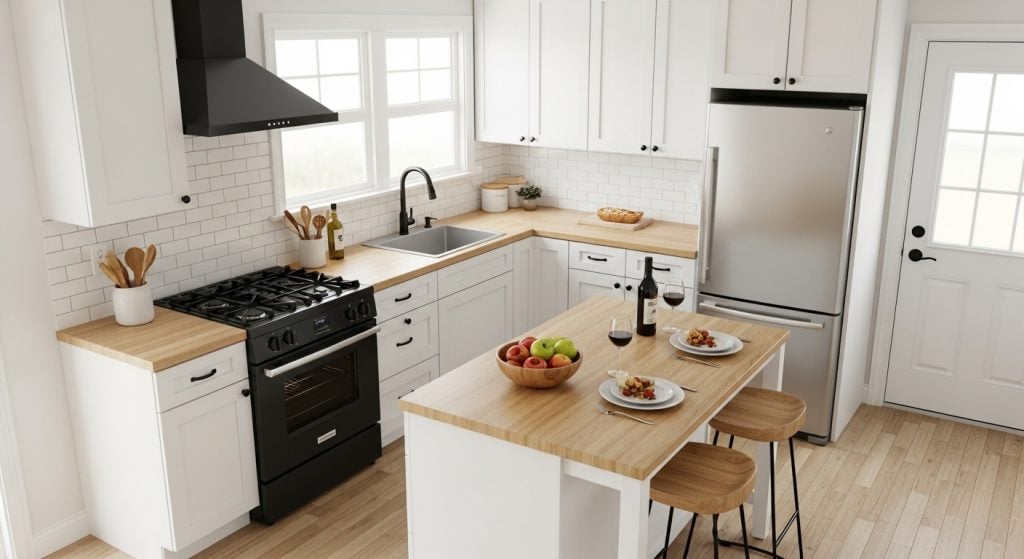
Storage is one of the biggest reasons homeowners invest in a small kitchen island. Compact kitchens can quickly become cluttered, especially when cabinets are limited. A well-designed island helps organize essential items while keeping them easily accessible.
Some highly effective storage features include:
- Deep drawers for pots and pans
- Open shelving for cookbooks or baskets
- Pull-out spice racks
- Built-in trash or recycling compartments
- Hanging hooks for utensils or towels
These additions improve organization without sacrificing style. Open shelving in particular has become popular because it creates a lighter visual effect compared to fully enclosed cabinetry.
Another growing trend is vertical storage within the island itself. Designers now use taller drawers and layered compartments to maximize every inch of available space. This approach is especially useful in urban apartments where kitchen storage is often minimal.
Best Materials for a Small Kitchen Island
Material selection significantly affects both appearance and durability. Since compact kitchens can feel crowded easily, lighter and reflective materials often work best. Quartz countertops remain highly popular because they are durable, easy to maintain, and available in bright finishes that visually enlarge the room.
Wooden islands add warmth and texture, making kitchens feel more welcoming. White oak and walnut are particularly trendy in current interior design. For industrial or modern aesthetics, metal accents combined with dark countertops create a sleek and contemporary appearance.
When selecting materials for a small kitchen island, homeowners should also consider maintenance requirements. Busy households may prefer stain-resistant surfaces that can handle daily wear without constant upkeep.
Seating Ideas for Small Kitchen Islands
Adding seating to a compact island can dramatically improve functionality, especially in homes without a separate dining room. However, seating must be planned carefully to avoid overcrowding the space.
A few practical seating approaches include:
- Backless stools that slide underneath completely
- Foldable seating for occasional use
- Narrow overhang counters for breakfast seating
- Bench-style seating against a wall
Minimalist seating designs work best because they maintain visual openness. Upholstered stools may look attractive but can consume more space in tight kitchens. Slim metal or wooden stools are often the better choice.
In open-concept apartments, a small kitchen island with seating also encourages social interaction. Guests can sit comfortably while meals are prepared, creating a more connected and relaxed atmosphere.
Color Trends for Modern Compact Kitchens
Current kitchen trends emphasize bright and calming color palettes. White islands remain timeless because they reflect light and create an airy appearance. However, homeowners are increasingly experimenting with muted greens, navy blue, and earthy beige tones for added personality.
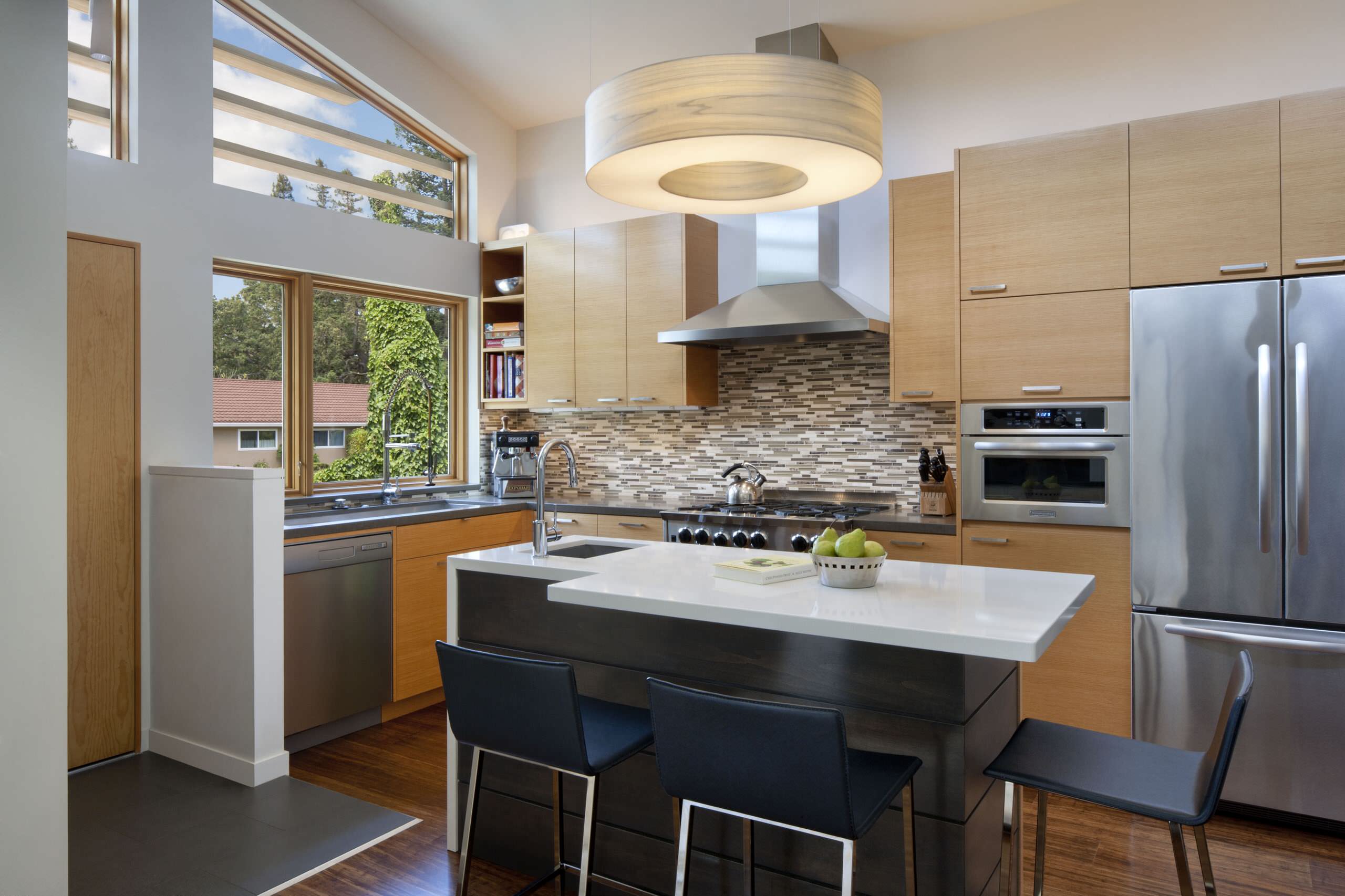
Two-tone islands are especially popular in contemporary homes. For example, a white kitchen paired with a darker island creates contrast without overwhelming the room. Natural wood textures also continue to dominate design trends because they introduce warmth and organic character.
Lighting plays an equally important role in enhancing a small kitchen island. Pendant lights above the island create a focal point while improving visibility for cooking and dining activities. Compact glass fixtures or minimalist lighting designs work particularly well in smaller kitchens.
Smart Features in Modern Kitchen Islands
Technology is becoming an important part of modern kitchen design. Many homeowners now prefer islands equipped with built-in charging stations, hidden outlets, and smart lighting systems. These features increase convenience while supporting modern lifestyles where kitchens often double as workspaces.
Another emerging trend is eco-friendly design. Sustainable wood, recycled materials, and energy-efficient lighting are increasingly used in compact kitchen renovations. Consumers are prioritizing environmentally responsible choices without sacrificing style or performance.
A small kitchen island with smart storage and integrated technology can significantly improve daily functionality. These modern upgrades also increase property appeal and resale value.
Mistakes to Avoid When Adding a Small Kitchen Island
While islands offer many advantages, poor planning can create more problems than benefits. One common mistake is choosing an oversized island that blocks movement and reduces comfort. Proper measurements are essential before purchasing or installing any design.
Another issue is ignoring storage efficiency. Some homeowners prioritize appearance over functionality and end up with beautiful islands that offer little practical use. A balance between style and usability is crucial for long-term satisfaction.
Lighting and seating should also be considered early in the planning process. Without adequate lighting, the island may feel disconnected from the rest of the kitchen. Similarly, poorly placed seating can interfere with cabinet access and walking paths.
FAQs
What is the ideal size for a small kitchen island?
The ideal size depends on the kitchen layout, but most compact islands range between 24 and 48 inches wide. The goal is to maintain comfortable walking space around the island while still providing enough surface area for practical use.
Can a small kitchen island include seating?
Yes, many compact islands are designed with seating options. Slim stools, foldable seating, and narrow countertop overhangs work especially well in smaller kitchens without taking up too much space.
Are portable kitchen islands worth it?
Portable islands are highly practical for compact homes because they offer flexibility. They can be moved when additional floor space is needed and often include storage features that improve kitchen organization.
Which color works best for a small kitchen island?
Light shades such as white, cream, and soft gray help make small kitchens appear larger and brighter. However, darker accent colors can create stylish contrast when balanced correctly within the overall design.
What materials are best for durable kitchen islands?
Quartz, solid wood, and high-quality laminate are among the best choices. Quartz is especially popular because it is durable, low-maintenance, and available in many modern finishes.
Can a small kitchen island increase home value?
A functional and stylish island can improve kitchen appeal and overall usability, which may positively influence property value. Buyers often appreciate smart storage solutions and modern multifunctional layouts.
Conclusion
A thoughtfully designed small kitchen island can completely transform a compact kitchen by adding functionality, storage, and visual appeal. Modern homeowners no longer see small spaces as limitations. Instead, they are embracing creative design solutions that maximize every inch while maintaining comfort and style.
Read More:-IKEA Kitchen Island Ideas for Stylish and Functional Homes