

The modern kitchen has evolved far beyond a simple cooking space. Today, it serves as a social hub, dining area, workstation, and design centerpiece within the home. At the center of this transformation is the kitchen island, a feature that combines functionality with style while improving the overall flow of the kitchen. Whether in compact apartments or spacious open-plan homes, a thoughtfully designed island can completely change how people use and experience their kitchen.
In recent years, homeowners have started prioritizing flexible layouts and multifunctional furniture. As a result, the kitchen island has become one of the most requested elements in modern remodeling projects. It provides additional storage, creates more countertop space, and often becomes the focal point where families gather throughout the day. With current interior design trends emphasizing clean aesthetics, natural materials, and smart organization, islands now play a bigger role than ever before.
The appeal of a kitchen island also lies in its adaptability. Some homeowners prefer sleek waterfall-edge designs with hidden storage, while others choose rustic wooden finishes that bring warmth into contemporary spaces. No matter the style, the right island can increase both visual appeal and practical efficiency.
Why the Kitchen Island Remains Essential in Modern Homes
One of the main reasons homeowners continue investing in a kitchen island is versatility. Traditional kitchen layouts often separate cooking, storage, and dining areas, but an island helps merge these functions into one cohesive space. In open-concept homes especially, the island acts as a bridge between the kitchen and living area.
Modern lifestyles have also influenced how kitchens are designed. Many people now work remotely or spend more time entertaining guests at home. Because of this shift, kitchens are expected to support multiple activities at once. An island provides extra seating, room for meal preparation, and even dedicated charging stations for devices. Some designs also include built-in appliances such as wine coolers, microwaves, or induction cooktops.
Another important advantage is improved movement within the kitchen. A properly positioned kitchen island can help create an efficient work triangle between the sink, refrigerator, and stove. This makes cooking more convenient while reducing clutter and unnecessary movement.
Popular Kitchen Island Styles in 2026
Interior design trends continue evolving, and homeowners now have more customization options than ever before. Current kitchen island styles focus heavily on balancing beauty with practicality.
Minimalist Contemporary Islands
Minimalist kitchens remain highly popular due to their clean appearance and clutter-free design. These islands often feature smooth quartz countertops, flat-panel cabinetry, and hidden storage compartments. Neutral shades such as white, beige, gray, and matte black dominate this style because they create a calm and sophisticated atmosphere.
Many contemporary islands now include integrated lighting underneath countertops or shelves, adding a subtle luxury effect. Smart technology is also increasingly common, including touch-operated drawers and wireless charging areas built directly into the surface.
Rustic and Natural Wood Designs
Natural textures are making a strong comeback in interior design. Wooden kitchen island designs create warmth and character while maintaining a timeless look. Oak, walnut, and reclaimed wood are especially popular materials because they pair well with both modern and farmhouse interiors.
Homeowners often combine natural wood islands with stone countertops to create contrast and visual depth. This combination helps the kitchen feel welcoming while still appearing refined and modern.
Double Islands for Large Kitchens
In luxury homes, double islands are becoming increasingly common. Instead of relying on one oversized structure, homeowners use two separate islands for different functions. One may serve as the primary prep station while the second acts as a dining or entertainment area.
This approach works particularly well in open-plan spaces where families regularly host gatherings or social events. Double islands also help distribute movement more evenly throughout the kitchen.
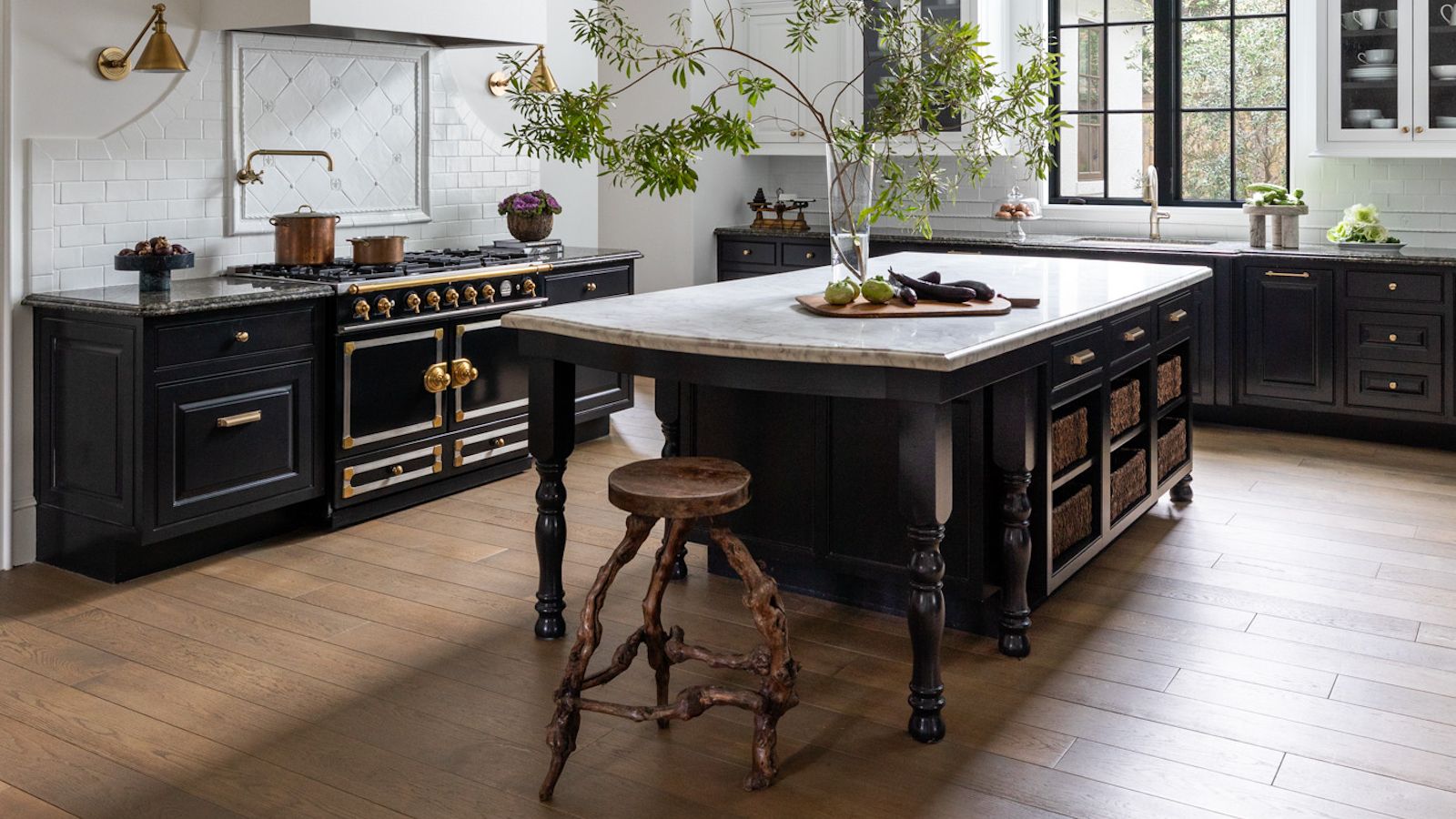
Choosing the Right Size and Layout
Before installing a kitchen island, homeowners must carefully evaluate the available space. A poorly sized island can make the kitchen feel cramped and uncomfortable, while a properly planned layout enhances functionality significantly.
The ideal island should leave enough clearance for movement around appliances and cabinets. Designers generally recommend maintaining at least 36 to 42 inches of walking space around all sides. This ensures doors and drawers can open freely while allowing multiple people to move comfortably in the kitchen.
The shape of the island also matters. Rectangular islands are the most common because they maximize countertop area and seating capacity. However, curved and L-shaped islands are gaining popularity in modern homes because they create softer visual lines and improve traffic flow.
Kitchen Island Size Guide
| Kitchen Size | Recommended Island Length | Ideal Seating Capacity |
|---|---|---|
| Small Kitchen | 4–5 feet | 2 people |
| Medium Kitchen | 6–7 feet | 3–4 people |
| Large Kitchen | 8–10 feet | 5–6 people |
| Luxury Open Kitchen | 10+ feet | 6+ people |
Storage Solutions That Improve Functionality
Storage is one of the most valuable benefits of a kitchen island. Modern homeowners are constantly searching for ways to keep kitchens organized without sacrificing aesthetics. Islands now include highly creative storage features that maximize efficiency.
Deep drawers are especially popular because they provide space for cookware, utensils, and small appliances. Pull-out shelves and hidden cabinets also help reduce clutter while keeping essentials accessible. Some homeowners even dedicate one side of the island to open shelving for cookbooks or decorative pieces.
Current design trends also favor concealed storage solutions. Instead of displaying everything openly, many modern islands incorporate hidden compartments that maintain a clean appearance. This approach supports the minimalist look many homeowners prefer today.
A few particularly practical storage additions include:
- Pull-out trash and recycling bins
- Built-in spice racks
- Charging drawers for electronics
- Hidden appliance garages
- Vertical tray organizers
These features may seem small individually, but together they significantly improve daily kitchen use.
Best Countertop Materials for a Kitchen Island
The countertop is often the visual centerpiece of a kitchen island, making material selection extremely important. Homeowners today prioritize durability, low maintenance, and long-term style appeal.
Quartz continues leading the market because it resists stains, scratches, and moisture while requiring minimal maintenance. It is available in countless colors and patterns, making it suitable for both traditional and contemporary interiors.
Natural stone materials such as marble and granite remain desirable for their luxurious appearance. Marble, in particular, offers timeless elegance, although it requires more maintenance than quartz. Granite provides excellent durability and works especially well in busy family kitchens.
Butcher block countertops are also experiencing renewed popularity. They introduce warmth into the kitchen and create a softer visual contrast against metal appliances and stone surfaces.
Trending Countertop Choices in 2026
Several countertop trends are shaping modern kitchen island designs this year:
- Waterfall edges with continuous stone patterns
- Matte finishes instead of glossy surfaces
- Warm-toned quartz designs
- Mixed-material combinations
- Sustainable recycled surfaces
These trends reflect the growing preference for kitchens that feel both luxurious and comfortable.
Seating and Social Interaction Around the Island
One reason the kitchen island remains so popular is its ability to encourage interaction. In many homes, the island has replaced the formal dining table as the primary gathering spot. Families eat breakfast there, children complete homework nearby, and guests naturally gather around it during social events.
Comfortable seating plays a major role in making the island functional. Counter-height stools remain the most common option because they provide a casual and versatile setup. Upholstered seating is also becoming more popular as homeowners prioritize comfort alongside appearance.
Lighting above the island further enhances the social atmosphere. Pendant lights are widely preferred because they create focused illumination while adding decorative value. Many homeowners choose oversized statement fixtures to make the island stand out as the centerpiece of the kitchen.
Smart Technology and Modern Kitchen Islands
Technology is now deeply integrated into modern kitchen design. A smart kitchen island can improve convenience while supporting energy efficiency and organization.
Touchless faucets, built-in charging stations, and pop-up electrical outlets are becoming standard features in newly renovated kitchens. Some luxury islands even include smart displays for recipes, timers, or entertainment.
Voice-controlled lighting systems are also increasingly common. Homeowners can adjust brightness levels or activate task lighting without touching switches, which is especially helpful during cooking.
Sustainability has become another major focus in 2026 kitchen design. Many homeowners are selecting eco-friendly materials and energy-efficient appliances when building a new kitchen island. Reclaimed wood, recycled surfaces, and LED lighting help reduce environmental impact while maintaining modern aesthetics.

Common Mistakes to Avoid
Although adding a kitchen island offers many advantages, poor planning can create problems instead of solutions. One common mistake is choosing an island that is too large for the available space. Oversized islands may obstruct movement and make the kitchen feel crowded.
Another issue involves insufficient storage planning. Some homeowners focus entirely on appearance and overlook practical functionality. Without proper drawers, shelving, or cabinets, the island may fail to meet everyday needs.
Lighting is another area frequently underestimated. Inadequate lighting can reduce the usability of the island, especially for food preparation. Combining task lighting with decorative fixtures creates a more balanced and functional environment.
Poor seating placement can also limit comfort. Stools should have enough legroom and spacing to allow people to sit comfortably without feeling cramped.
FAQs
What is the ideal size for a kitchen island?
The ideal size depends on the kitchen layout and available floor space. Most medium-sized kitchens work well with islands measuring between six and seven feet long. However, maintaining sufficient walking clearance around the island is more important than maximizing size.
Are kitchen islands suitable for small kitchens?
Yes, a kitchen island can work well in smaller kitchens when designed correctly. Compact islands with built-in storage or movable designs help maximize space without overcrowding the room. Slim profiles and multifunctional features are especially useful in apartments or smaller homes.
Which countertop material is best for a kitchen island?
Quartz is currently one of the best choices because it is durable, stain-resistant, and low maintenance. However, homeowners seeking a more luxurious appearance often prefer marble or granite, while butcher block adds warmth and natural character.
Can a kitchen island increase home value?
A well-designed kitchen island can positively influence home value because buyers often view it as a desirable feature. Modern kitchens with functional islands tend to attract greater interest in competitive real estate markets.
How much seating should a kitchen island have?
The seating capacity depends on the island size. Smaller islands typically accommodate two people, while larger designs can comfortably seat four to six individuals. Proper spacing between stools is essential for comfort.
Are double kitchen islands practical?
Double islands are highly practical in large kitchens, especially for families who entertain frequently. They allow separate areas for cooking, dining, and socializing while improving traffic flow throughout the space.
Conclusion
The kitchen island has become far more than a design trend. It represents the shift toward multifunctional living spaces where cooking, dining, work, and social interaction happen together. Modern homeowners value flexibility, organization, and aesthetics, and the island successfully combines all three.
Read More:-Small Kitchen Island Ideas for Stylish and Functional Spaces